
Principles of Commercial Interior Design for Commercial Space Aesthetics

Updated: Jan 20
Designing commercial spaces requires a careful balance of functionality, aesthetics, and brand identity. As a professional in the field, I understand that commercial interior design is not just about making a space look attractive. It is about creating environments that enhance productivity, promote well-being, and reflect the values of the business. This post explores the core principles that guide effective commercial interior design, focusing on how these principles contribute to commercial space aesthetics.
Understanding Commercial Space Aesthetics
Commercial space aesthetics involve the visual and sensory elements that define the look and feel of a business environment. These elements include color schemes, lighting, furniture, materials, and spatial layout. A well-designed commercial space should communicate professionalism and invite engagement while supporting the specific activities that take place within it.
For example, a law firm’s office might use muted colors and traditional furniture to convey trust and stability. In contrast, a tech startup may opt for bright colors and open layouts to encourage creativity and collaboration. The choice of design elements must align with the company’s brand and the expectations of its clients and employees.
Key factors in commercial space aesthetics include:
Color: Influences mood and perception. Neutral tones often create a calm atmosphere, while bold colors can energize a space.
Lighting: Natural and artificial lighting affect visibility and ambiance. Proper lighting reduces eye strain and highlights architectural features.
Materials: Durable and easy-to-maintain materials are essential for high-traffic areas.
Furniture: Should be ergonomic and appropriate for the intended use of the space.
Layout: Efficient use of space promotes flow and accessibility.
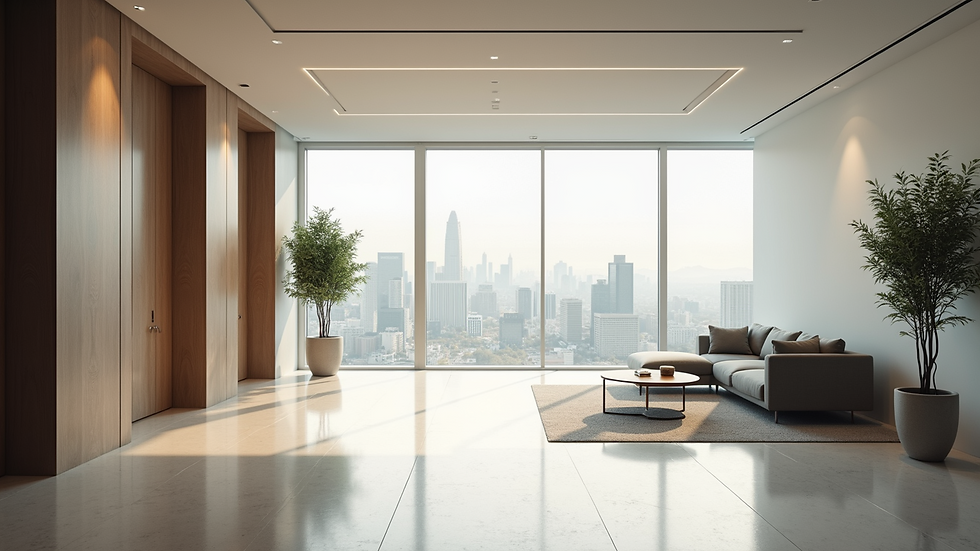
Key Principles of Commercial Interior Design
Successful commercial interior design rests on several foundational principles. These principles ensure that the space is not only visually appealing but also functional and sustainable.
1. Functionality
The primary goal of commercial interior design is to support the activities that occur within the space. This means understanding the needs of the business and its users. For instance, a retail store requires clear pathways and product displays that attract customers, while a corporate office needs private meeting rooms and collaborative work areas.
Recommendations:
Conduct a needs assessment before design begins.
Prioritize flexible furniture that can adapt to changing needs.
Ensure compliance with accessibility standards.
2. Brand Identity
The design should reflect the company’s brand values and culture. This can be achieved through color schemes, logos, artwork, and overall style. Consistency between the physical space and the brand message strengthens customer recognition and employee pride.
Recommendations:
Use brand colors strategically in walls, furnishings, and accents.
Incorporate branded elements subtly to avoid overwhelming the space.
Align design choices with the company’s mission and target audience.
3. Sustainability
Sustainable design practices reduce environmental impact and can lower operating costs. This includes using energy-efficient lighting, sustainable materials, and designing for natural ventilation.
Recommendations:
Select materials with low environmental impact.
Maximize natural light to reduce electricity use.
Implement recycling and waste reduction strategies.
4. Comfort and Well-being
A comfortable environment improves employee productivity and customer satisfaction. This involves ergonomic furniture, good air quality, appropriate temperature control, and noise management.
Recommendations:
Choose adjustable chairs and desks.
Incorporate plants to improve air quality.
Use sound-absorbing materials to reduce noise pollution.
5. Safety and Compliance
Commercial spaces must adhere to local building codes and safety regulations. This includes fire safety, emergency exits, and accessibility for people with disabilities.
Recommendations:
Work with certified professionals to ensure compliance.
Clearly mark emergency exits and routes.
Use non-slip flooring and rounded furniture edges where appropriate.
What is the 3 4 5 Rule in Interior Design?
The 3 4 5 rule is a practical guideline used to create balanced and harmonious spaces. It refers to the use of proportions in design elements, often relating to the dimensions of furniture, room layouts, or decorative features.
The numbers 3, 4, and 5 represent a ratio that helps designers achieve visual balance. For example, a seating area might be arranged so that the length, width, and height of furniture pieces follow this ratio, creating a pleasing sense of proportion.
Applications of the 3 4 5 rule include:
Arranging furniture to maintain comfortable distances and flow.
Selecting artwork or decorative panels with dimensions that fit the ratio.
Designing lighting fixtures that complement the scale of the room.
Using this rule helps avoid awkward or cramped spaces and supports the overall aesthetic harmony of the commercial environment.
Practical Tips for Implementing Commercial Interior Design
When planning a commercial interior design project, consider the following actionable steps to ensure success:
Start with a clear brief: Define the purpose of the space, target users, and desired atmosphere.
Engage stakeholders: Include input from employees, clients, and management to address diverse needs.
Plan for flexibility: Design spaces that can evolve with the business.
Focus on quality: Invest in durable materials and furnishings to withstand heavy use.
Incorporate technology: Use smart lighting, climate control, and audiovisual systems to enhance functionality.
Hire experienced professionals: Collaborate with architects and interior designers who specialize in commercial projects.
By following these steps, businesses can create environments that are both attractive and efficient.

Enhancing Commercial Space Aesthetics with Strategic Design
To elevate commercial space aesthetics, it is essential to integrate design elements thoughtfully. This means balancing form and function while considering the psychological impact of the environment.
Strategies include:
Layered lighting: Combine ambient, task, and accent lighting to create depth and highlight key areas.
Texture and pattern: Use varied textures and subtle patterns to add interest without overwhelming the space.
Color zoning: Apply different colors to define zones within open-plan areas.
Art and decor: Select pieces that complement the brand and add personality.
Green elements: Incorporate plants and natural materials to soften the environment and improve air quality.
These strategies contribute to a cohesive and inviting commercial space that supports business goals.
For those seeking expert assistance, interior design for commercial spaces offers tailored solutions that combine aesthetics with practicality.
Final Thoughts on Commercial Interior Design Principles
Effective commercial interior design requires a comprehensive approach that addresses aesthetics, functionality, and sustainability. By adhering to the principles outlined here, businesses can create spaces that not only look professional but also enhance user experience and operational efficiency.
The right design transforms a commercial space into a strategic asset that supports brand identity, promotes well-being, and adapts to future needs. As commercial developers and organizations in California aim to lead in their industries, investing in thoughtful interior design is a critical step toward achieving those goals.