
The Importance of Quality Architectural Solutions in Commercial Development
- Jac Architecture

- Dec 15, 2025
- 4 min read
Updated: Feb 3
Quality architectural solutions are essential for creating spaces that serve their intended purpose efficiently while enhancing the environment. For commercial developers and businesses, the design must support operational goals, comply with regulations, and appeal to users and visitors.
A well-designed commercial building can:
Increase property value
Improve energy efficiency
Enhance user experience
Support brand identity
For example, a retail space designed with clear circulation paths and natural lighting can boost customer engagement and sales. Similarly, office buildings that incorporate flexible layouts and sustainable materials reduce operational costs and improve employee satisfaction.

Characteristics of Exceptional Quality Architectural Solutions
Exceptional architectural solutions share several defining characteristics. These features ensure that the final product is not only visually appealing but also practical and sustainable.
1. Client-Centered Design
Understanding the client’s vision and requirements is the foundation of any successful project. This involves active communication and collaboration throughout the design process. Architects must translate client goals into functional spaces that meet budget and timeline constraints.
2. Innovation and Creativity
While functionality is critical, innovation distinguishes outstanding architecture. Creative use of materials, forms, and technologies can result in unique and memorable spaces. For instance, integrating smart building systems enhances operational efficiency and user comfort.
3. Sustainability and Environmental Responsibility
Sustainable design reduces environmental impact and operational costs. This includes energy-efficient systems, use of renewable materials, and designs that maximize natural light and ventilation. Green building certifications, such as LEED, often guide these efforts.
4. Compliance and Technical Expertise
Adhering to local building codes, zoning laws, and safety standards is non-negotiable. Exceptional architectural solutions require thorough knowledge of regulations and technical details to avoid costly delays and ensure safety.
5. Attention to Detail and Quality Control
From initial sketches to final construction, attention to detail ensures that the design intent is realized accurately. Quality control processes help maintain standards and address issues promptly.
What is an Architectural Service?
Architectural service encompasses a range of professional activities related to the planning, design, and oversight of building projects. These services guide a project from concept through construction and beyond.
Key components of architectural service include:
Feasibility studies: Assessing site conditions and project viability
Conceptual design: Developing initial ideas and layouts
Detailed design: Creating precise drawings and specifications
Permitting and approvals: Navigating regulatory requirements
Construction administration: Overseeing construction to ensure compliance with design
Architects act as coordinators among clients, contractors, engineers, and regulatory bodies. Their expertise ensures that projects meet functional, aesthetic, and legal standards.
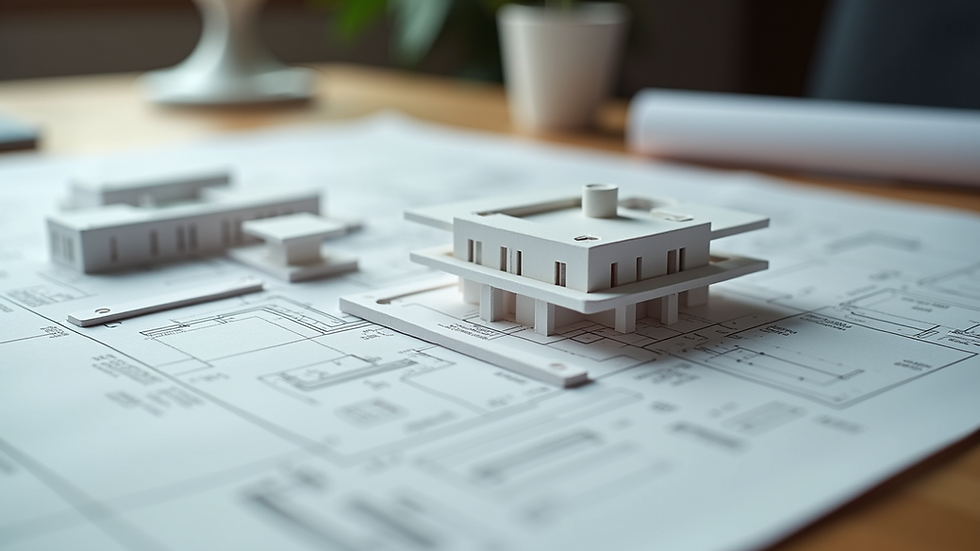
Practical Recommendations for Selecting Quality Architectural Solutions
Choosing the right architectural partner is critical for project success. Here are practical recommendations to guide this decision:
Review Portfolio and Experience
Examine past projects similar in scale and type. Look for evidence of innovation, sustainability, and client satisfaction.
Evaluate Communication and Collaboration
Effective communication ensures that your vision is understood and realized. Choose architects who listen and provide clear updates.
Assess Technical Competence
Confirm that the firm has expertise in local codes, construction methods, and sustainable practices.
Consider Project Management Capabilities
Strong project management reduces risks related to budget overruns and delays.
Request Client References
Speaking with previous clients provides insight into reliability and quality.
Understand Fee Structures and Contracts
Transparent pricing and clear contract terms prevent misunderstandings.
By following these steps, you can secure architectural services that deliver value and meet your project goals.
The Role of Technology in Enhancing Architectural Solutions
Technology plays a significant role in modern architectural design and execution. Tools such as Building Information Modeling (BIM) allow for detailed 3D modeling, clash detection, and improved coordination among stakeholders.
Other technological advancements include:
Virtual reality walkthroughs for client presentations
Energy modeling software to optimize building performance
Automated construction techniques for precision and speed
Incorporating these technologies leads to more accurate designs, fewer errors, and better-informed decision-making throughout the project lifecycle.
The Future of Architectural Solutions
As we look ahead, the future of architectural solutions will likely be shaped by ongoing advancements in technology and evolving client needs. Architects must remain adaptable and forward-thinking to address these changes effectively.
Embracing Sustainable Practices
Sustainability will continue to be a driving force in architectural design. As awareness of environmental issues grows, clients will increasingly seek architects who prioritize eco-friendly practices. This includes not only the materials used but also the overall design philosophy.
Integration of Smart Technologies
The integration of smart technologies into building design will enhance user experience and operational efficiency. Architects should consider how to incorporate IoT devices, energy management systems, and automation into their projects. This trend will likely redefine how spaces are utilized and experienced.
Focus on Community Engagement
Architects will need to engage more with the communities they serve. Understanding local needs and preferences will be crucial in creating spaces that resonate with users. This approach fosters a sense of belonging and enhances the overall impact of architectural projects.
Final Thoughts on Achieving Exceptional Architectural Outcomes
Delivering exceptional quality architectural solutions requires a combination of client focus, technical skill, innovation, and sustainability. By prioritizing these elements, commercial developers and businesses can create spaces that are functional, efficient, and visually compelling.
For those seeking reliable and forward-thinking architecture services, partnering with a firm that understands these principles is essential. Such collaboration ensures that projects not only meet immediate needs but also contribute positively to the community and environment.
Investing in quality architectural solutions is an investment in the long-term success and value of your commercial property.